You already know you want to join a cooking class in Bali. The real question is simpler—which time fits your day better?
The Quick Answer:
- Choose the Morning if you want to experience the bustling traditional local market and want your afternoon free for sightseeing.
- Choose the Afternoon if you want to sleep in, enjoy a peaceful, romantic walk through the organic farm, and cook your own early dinner.
A quick note on this guide: As the family behind Taman Dukuh Bali Farm Cooking School, we run both morning and afternoon sessions every day. We get asked this question constantly. The truth is, the food is equally delicious, and both classes are hands-on, taught by local instructors, and rooted in real Balinese home cooking. The biggest change isn’t the food; it’s the flow, the setting, and the energy of the day.
Here is our honest, objective guide to helping you choose the perfect time slot for your travel style.
The Biggest Difference: The Traditional Market vs. The Organic Farm
The simplest way to compare these classes is this: morning sessions usually begin with a traditional market visit, while afternoon sessions give more attention to the organic farm.
That split makes sense. Local Balinese markets are busiest early in the morning, when families shop for produce, spices, snacks, and daily offerings. By the afternoon, that rhythm has already slowed. Instead of chasing a market at the wrong hour, the later class leans into the farm setting and a much calmer pace.
Why morning classes include the market
If you want to see daily life in motion, the morning is the better fit. The market feels active, practical, and full of small details you might miss later—stacked herbs, fresh roots, tropical fruit, and quick local shopping routines. You get a clear sense of how Balinese meals start long before the stove.

Why afternoon classes focus on the farm
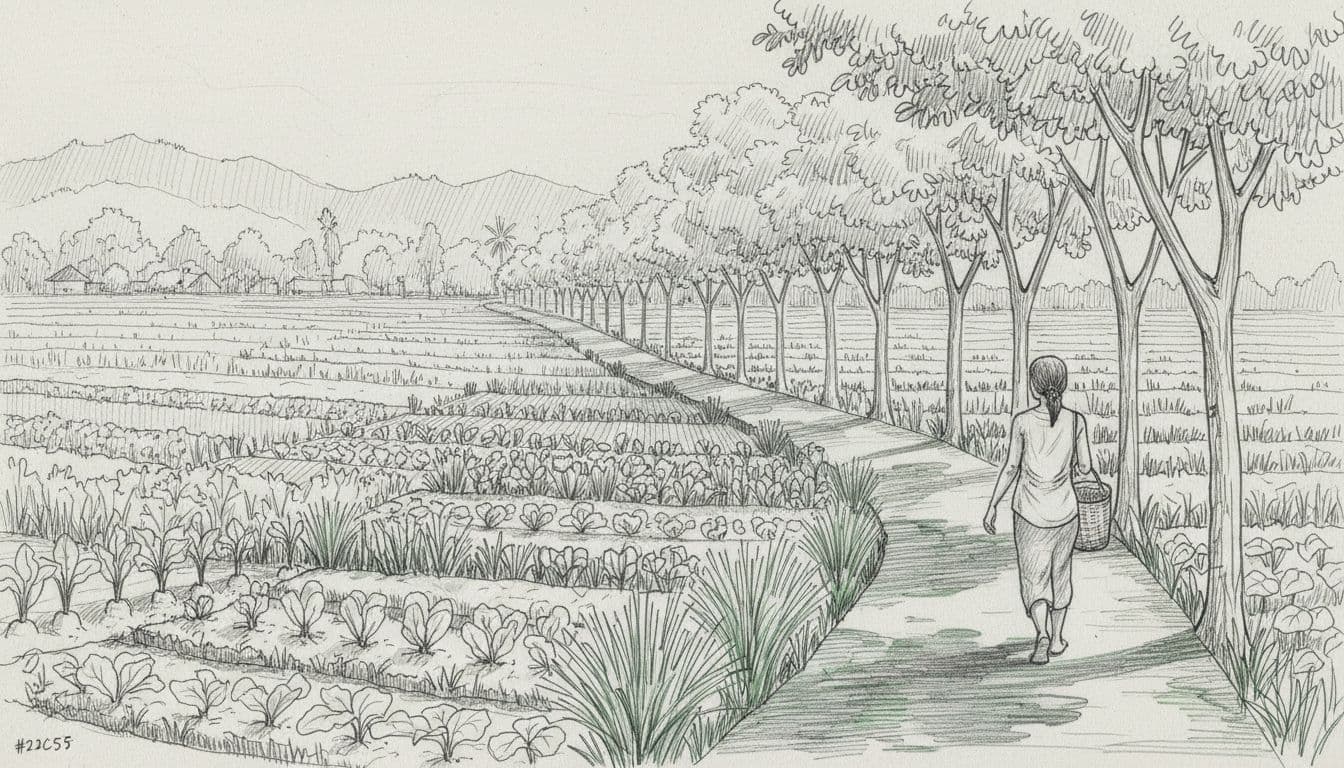
The afternoon class trades market bustle for breathing room. You spend more time on our organic farm, see ingredients growing in the soil, and move at a gentler speed. You still work with fresh ingredients, you simply get there through the garden path instead of the market lane.
The Morning Bali Cooking Class Experience
The morning class feels active from the start. Pickup is early, traffic is usually lighter, and the cooler morning air makes walking through the market and farm very comfortable. You cook, eat a massive lunch, and still have most of your day left.
The Pros:
- You experience a real, chaotic, and vibrant Balinese morning market.
- The weather is usually cooler for the walking tour portion.
- You finish by early afternoon, freeing you up for other plans.
The Cons:
- Requires an early wake-up (usually an 8:00 AM hotel pickup).
Who is it for? Early birds, first-time Bali visitors, and travelers who like to check a major activity off early so they can spend the afternoon lounging or shopping.
Ready for an active, cultural morning?
The Afternoon Bali Cooking Class Experience
The afternoon class feels softer around the edges. You can sleep in, enjoy your hotel breakfast, and start your cooking experience without rushing out the door.
Among all Bali cooking class times, this one works best if you want the class to shape the second half of your day. It flows beautifully as a relaxed late-lunch to early-dinner experience.
The Pros:
- You get to sleep in and enjoy a slow morning!
- The farm setting is incredibly peaceful and romantic in the late afternoon.
- It completely solves your dinner plans for the evening.
The Cons:
- You miss the traditional market action.
- Midday can be slightly warmer, though our traditional open-air paon kitchens are well-shaded and designed to catch the breeze.
Who is it for? Couples, honeymooners, families who need slow mornings, and travelers recovering from a 2:00 AM Mount Batur sunrise hike!
Ready for a relaxed, sunset farm experience?
How to Match Each Class Time to Your Ubud Plans
If you are trying to piece your itinerary together, this quick comparison makes the decision easier:

| Class Time | Best Before Class | Best After Class | Best For |
|---|---|---|---|
| Morning | Quick coffee, light start | Spa, shopping, Monkey Forest, sunset drinks | Early risers, culture-focused travelers |
| Afternoon | Slow breakfast, temple stop, waterfall visit | Relaxed evening, maybe a nightcap | Couples, families, slow-paced travelers |
If you want a fuller picture of how the entire day runs, our Ubud cooking class overview helps you compare the class flow more clearly.
Quick Questions Travelers Ask Before They Book
Final Verdict: Which should you choose?
Neither option is universally “better.” The right choice is the one that fits how you want your Bali day to feel.
If you want the hustle and bustle of the local market, cooler early hours, and a free afternoon to explore Ubud, book the morning class.
If you’d rather sleep in, enjoy more peaceful farm time, and cook later in the day for an early dinner, book the afternoon class.