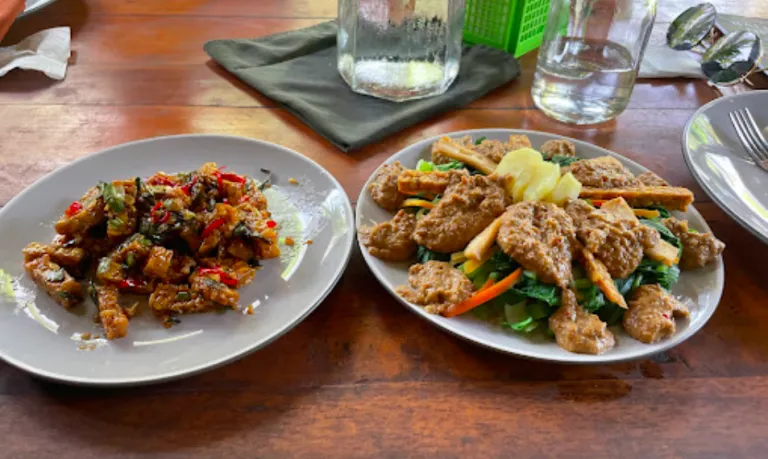
Ubud is one of the top vegan destinations in the world. You’ll find smoothie bowls, organic farms, juice bars, and healthy cafés almost everywhere. That makes plant-based travel in Bali feel easy, at least on the surface.
Here’s the catch: traditional Balinese cooking often starts with shrimp paste (terasi), fish sauce, or chicken broth. So not every class labeled vegetarian or vegan is truly plant-based. If you care about clean ingredients, you need to look past the menu headline and check the flavor base, especially the Base Gede spice paste that gives many Balinese dishes their depth.
A quick note on this guide: If you’re reading this from Taman Dukuh, here’s the honest note from our family: you can absolutely join our dedicated organic vegan class, and we are proud of it. Still, you deserve to compare your options before you book. This guide looks at five of the best choices for a vegan cooking class travelers can book in 2026, comparing menu clarity, traveler feedback, pricing, and overall experience.
Our picks for the 5 best vegan cooking classes in Bali
This quick table gives you the big picture first. Prices in Bali move around, so it helps to compare current listings, especially if you’re booking in high season.
| Rank | Cooking Class | Best For | Typical Price |
|---|---|---|---|
| 1 | Taman Dukuh Bali Farm Cooking School | Full organic farm immersion | Rp 450,000 to 480,000 |
| 2 | Pemulan Bali Farm Cooking School | Vegan-friendly farm class | About US$38 |
| 3 | Pure Plant-Based Vegan Balinese Cooking Class | Central Ubud convenience | About US$78 |
| 4 | Sayuri Healing Food | Serious multi-day training | US$1,990 |
| 5 | Seeds of Life | Raw vegan wellness cooking | Varies by course |
Ready to book a truly plant-based farm experience?
1. Taman Dukuh Bali Farm Cooking School (Best overall for organic, plant-based immersion)
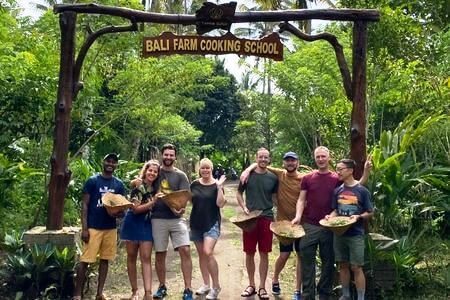
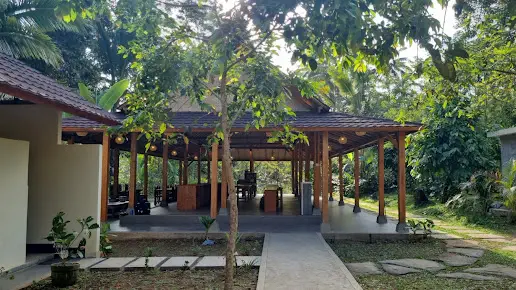
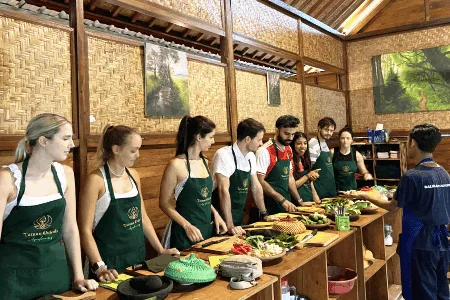
This is the class to book if you want your ingredients to begin in the soil, not in a supermarket bin. Taman Dukuh is a working organic farm near Ubud, and that changes the whole feel of the day. You harvest herbs and roots, walk through a real growing space, and then cook in an open-air traditional kitchen, or paon, with local instructors.
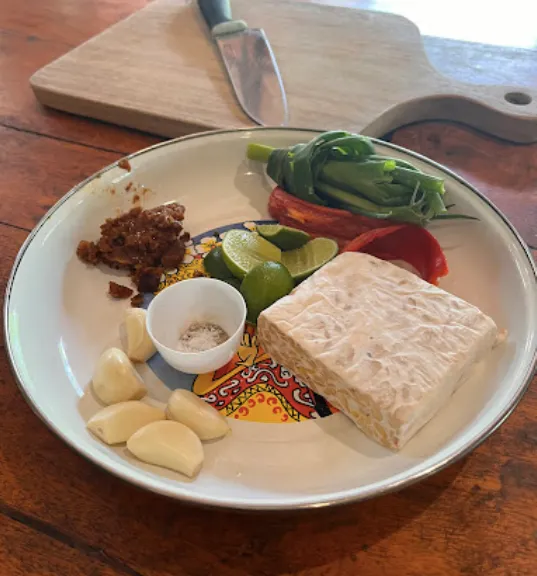
Most importantly, the vegan menu is not a standard class with the meat removed. It is built as a full plant-based experience. You make a vegan Balinese spice base, vegan satay with tempeh or mushrooms, fresh vegetable dishes, sambals, and a plant-based dessert. The family story goes back to 2013, and the school highlights more than 6,500 reviewers worldwide, along with very strong ratings across major platforms.
What makes it stand out:
- Dedicated vegan menu, not a last-minute tofu swap
- Organic, pesticide-free produce you harvest yourself
- Local Balinese teachers shaped by home cooking and spice philosophy
- Open-air farm kitchen that feels grounded and calm
- Composting and sustainable farm practices for travelers who care how food is grown
Ready to join?
2. Pemulan Bali Farm Cooking School (Strong pick for a fully vegan-friendly farm class)
Pemulan is a popular farm-based option around 30 minutes from central Ubud. It has a good reputation for hands-on cooking, fresh produce, and a scenic organic setting. Reviews often mention produce harvesting and vegan dishes like gado-gado, tofu or tempeh dishes, corn fritters, and black rice pudding.
That makes it a strong fit if you want a farm visit and do not mind a busier group format. Research also points to separate vegetarian or vegan cooking stations in some sessions, which is helpful when you are trying to avoid hidden animal ingredients.
Compared with Taman Dukuh, Pemulan feels less like a small family farm with a dedicated vegan identity, and more like a well-run general farm cooking experience that accommodates vegan travelers well. For many people, that will still be a very good match.
3. Pure Plant-Based Vegan Balinese Cooking Class (Ideal for central Ubud convenience)
If location matters most, this is one of the easiest choices. Pure Plant-Based gives you a dedicated vegan format in or near central Ubud, so you do not need a wider cultural program or a longer countryside transfer. That convenience is a real plus if your Bali schedule is packed.
The class is usually described as an 8-course experience in an organic garden setting. You can expect produce picking, your own cooking station, and a menu that covers salads, sambals, spice pastes, mains, and dessert.
It is a good option for travelers who want a clean vegan menu near town, even if it does not offer the same family-farm story, community feel, or long review history as Taman Dukuh.
4. Sayuri Healing Food (Best for serious plant-based cooks wanting advanced training)
Sayuri sits in a different category. This is less of a fun half-day holiday activity and more of a deep training path for committed plant-based cooks. Its well-known 13-day cooked vegan chef training is priced at around US$1,990, so you are paying for structure, depth, and skill-building.
That makes it a smart choice if you want advanced technique, polished recipes, and a stronger school format. If you simply want one memorable vegan class during your Bali trip, this will likely feel too long, too expensive, and too formal. Still, it is an excellent option for premium training.
5. Seeds of Life (Worth considering for raw vegan food and wellness)
Seeds of Life is the niche choice on this list. If you love raw vegan food, wellness culture, and clean ingredient work, it is worth a look. Its angle is very different from the others. You are looking at raw preparation, fresh produce, wellness habits, and high-end equipment rather than classic village-style Balinese cooking.
If you want smoky sambals, cooked spice bases, or traditional rustic techniques, this will not be your best match. Yet if your Bali trip already leans toward yoga, juice bars, and healing retreats, Seeds of Life may fit your style well.
What to check before you book a vegan cooking class in Bali
Ranking helps, but smart questions help more.
Make sure the class understands terasi, broth, and hidden animal ingredients
In Bali, the biggest vegan trap is often invisible. A host may hear “no meat” and think that is enough, even when shrimp paste, fish sauce, oyster sauce, or chicken stock still show up in the recipe.
Ask directly whether the class teaches vegan versions of spice pastes and sauces used in Balinese cooking. If they cannot explain how they replace shrimp paste in the flavor base, it is probably not truly vegan.
Choose a dedicated vegan menu, not a last-minute tofu swap
The best classes give you five or six dishes designed from the ground up for vegan cooking. That means the flavors make sense because the recipe was built that way from the start.
A weaker class just removes meat from the standard menu and hopes the spices carry it. A strong class shows you how to build flavor with coconut, roasted aromatics, mushrooms, tofu, and tempeh in Indonesian cooking, rather than treating vegan food like an afterthought.
Fresh produce matters more than you might think
In a vegan class, the vegetables, herbs, roots, and spices do the heavy lifting. So freshness changes everything.
Farm-based classes usually win here because you pick ingredients closer to cooking time. Bulk-buy classes can still be good, but older produce dulls the result. If you get the chance to harvest from a real Balinese garden before cooking in a traditional paon, take it. That farm-to-table moment turns a class into a memory.
Common questions travelers ask about plant-based cooking in Bali
Final verdict
Bali can feel like a vegan dream, but only if the cooking class matches the promise. If you want the safest bet, go for a class with a dedicated menu, clear answers about hidden ingredients, and produce fresh from the ground.
That is why Taman Dukuh stands out. It gives you the balance most travelers actually want: a dedicated vegan menu, a real organic farm setting, local Balinese instruction, and a half-day experience that feels memorable without being overcomplicated.
Ready to master plant-based Balinese food?