A Journey Through the Island’s Beating Heart
When travelers picture Bali, they often imagine its sunsets, beaches, and rice terraces. Yet, hidden behind the postcard views lies another world — one that hums with the rhythm of early morning chatter, the scent of fresh herbs, and the clinking of metal scales. This world is found in Bali’s traditional markets, or pasar tradisional.
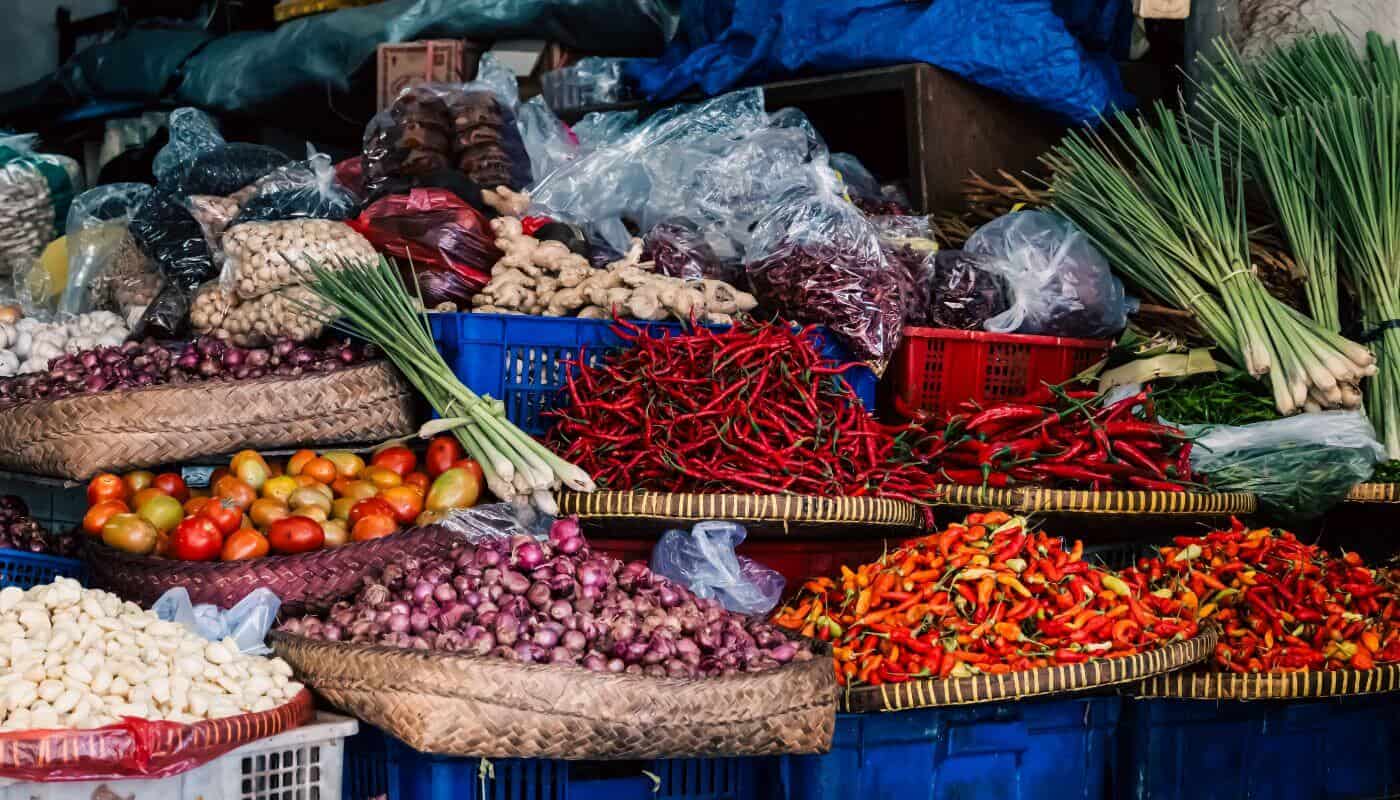
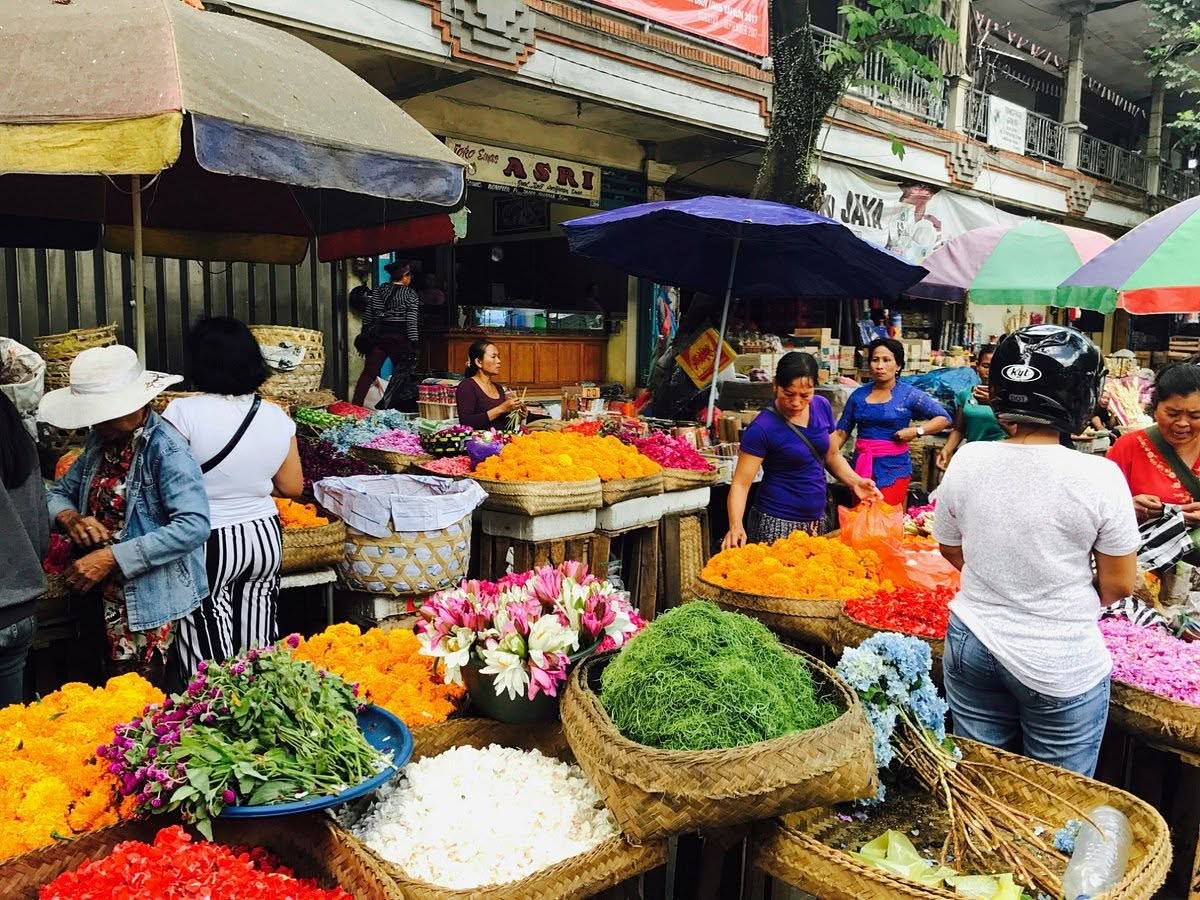
Long before sunrise, while most tourists are still asleep, the markets come alive. Vendors arrange piles of chilies, turmeric roots, lemongrass, and galangal in neat baskets. Local women dressed in sarongs balance trays of flowers and fruit on their heads. The air is filled with a mix of smoke from small food stalls, the sound of laughter, and the bargaining voices of people who know each other well.
This is where authentic Balinese cuisine truly begins.
Why Traditional Markets Matter in Balinese Food Culture
In Bali, cooking is more than preparing food — it’s a form of devotion, community, and identity. Every dish carries meaning, every spice tells a story. The markets are the first chapter in that story.
Unlike supermarkets that separate shoppers from their food’s origins, Bali’s traditional markets offer a full sensory experience. You don’t just buy ingredients — you touch them, smell them, and talk about them with the person who grew them.
For generations, these markets have served as the backbone of Balinese culinary life. They connect farmers from mountain villages to families in coastal towns, ensuring that what ends up on a plate is fresh, local, and full of character.
Morning Rituals: The Rhythm of the Market
If you want to experience Bali’s traditional markets at their best, wake up early — really early.
By 4:30 a.m., the markets are already busy. The dim light of oil lamps flickers across stalls stacked high with produce. The smell of freshly ground coconut mixes with that of banana leaves and incense from nearby temples.
Locals start their day here, buying vegetables, fish, and flowers for daily offerings. Many stop for breakfast: maybe a bowl of bubur injin (black rice porridge) or nasi campur served on a banana leaf.
By 9 a.m., most serious shopping is done. The day’s ingredients have already been chosen by mothers, grandmothers, and restaurant chefs who understand one simple rule — the earlier you come, the better the goods.
A Walk Through Bali’s Most Beloved Markets
Pasar Badung, Denpasar
This is the largest and most iconic market on the island — a chaotic, colorful paradise for anyone who loves food. You’ll find everything from exotic fruits like snake fruit (salak) and mangosteen to live chickens and mountains of freshly grated coconut. Upstairs, stalls sell kitchen tools, woven baskets, and traditional offerings.
The market sits by the river, surrounded by small food vendors serving local favorites like sate lilit and lawar. It’s a perfect first stop to see how deeply food is woven into everyday Balinese life.
Ubud Market
Famous among tourists, Pasar Ubud offers a softer introduction. In the early morning, locals fill its lower level to buy spices, rice, and tropical flowers. Later in the day, it transforms into a craft market selling handmade goods.
But if you come before sunrise, you’ll witness its true spirit — farmers from the surrounding hills unloading baskets of organic vegetables, traders arranging bundles of lemongrass, and the unmistakable smell of coffee roasting nearby.
Pasar Sukawati
Though best known for its art and souvenirs, this market also hides an authentic food corner. Here, you can watch locals enjoy jaje Bali (traditional sweets) and laklak pancakes drizzled with palm sugar. The market’s charm lies in its mix — you can shop for colorful sarongs and grab a snack in the same breath.
Pasar Gianyar
If you crave street food, this is your place. Open until late at night, Pasar Gianyar is a festival of flavors. Try babi guling (suckling pig), ayam betutu, and freshly grilled corn brushed with chili butter. The night air carries the aroma of spices and roasted meat — it’s Bali’s version of comfort food heaven.
The Language of Ingredients: Freshness, Color, and Meaning
Balinese cooking depends on one non-negotiable rule: fresh ingredients only.
Every morning, chefs and home cooks alike head to their nearest market to buy what’s needed that day. Fish must still glisten, herbs must still release their aroma when crushed. Ingredients aren’t stocked for the week — they’re chosen with care for that very day’s meal or offering.
Many ingredients carry symbolic meanings too. Turmeric, for example, is linked to purification and is used in ceremonial dishes. Coconut represents prosperity, while chili embodies spirit and energy. Even the colors of ingredients hold spiritual significance — red, white, yellow, black, and green correspond to the directions and deities in Balinese Hinduism.
So, when you’re wandering through the market and see baskets of bright red chilies or golden turmeric, you’re not just looking at food. You’re looking at living symbols of Balinese philosophy.
Meeting the People Behind the Flavors
What makes these markets unforgettable isn’t just the produce — it’s the people.
Meet Ibu Made, who sells fresh spices she grows in her garden near Bangli. She’ll let you sniff her blend of base genep, the essential spice mix that forms the foundation of Balinese cooking. Or Pak Ketut, who has been selling smoked fish for forty years, wrapped neatly in banana leaves.
Each vendor knows their ingredients deeply. They don’t just sell — they teach. They’ll tell you when mangoes are sweetest, how to pick the right galangal, and what kind of chili gives the best sambal matah.
These exchanges turn shopping into storytelling.
Bali’s Traditional Markets as Living Classrooms for Travelers
For international visitors, Bali’s traditional markets offer something no restaurant can replicate — a glimpse into the real Bali.
Many travelers join early-morning cooking classes that begin in the market. It’s a chance to meet local vendors, learn ingredient names in Bahasa Indonesia, and understand how flavor is built layer by layer.
Imagine walking through the aisles with a Balinese chef as your guide. You’ll touch fragrant pandan leaves, taste fresh coconut water straight from the shell, and pick out chilies for your sambal. Then, you’ll return to a local kitchen to cook what you just bought.
By the end of the day, you’ll realize something profound — authentic Balinese cuisine isn’t about recipes. It’s about relationships.
The Role of Markets in Preserving Culinary Heritage
Bali’s traditional markets aren’t just commercial centers. They’re guardians of culture.
Many of Bali’s ancient recipes have survived thanks to the continuity of these spaces. When elders pass down cooking traditions, they also pass down where to buy the right ingredients, how to recognize quality, and who to trust in the market.
This interconnection sustains not only flavor but also social bonds. Buying directly from local farmers supports small communities, keeps traditional farming methods alive, and protects Bali’s biodiversity.
In a time when supermarkets and online shopping are rising, these markets remain deeply human. They remind us that food isn’t just sustenance — it’s memory, ritual, and identity.
Sustainability and the Future of Bali’s Markets
As Bali evolves, so do its markets. Some have been renovated into cleaner, more organized spaces to attract younger generations. Others face challenges from tourism and modernization. Yet, despite the changes, the essence remains.
A new wave of chefs and eco-entrepreneurs are working hand in hand with traditional vendors. They’re promoting organic produce, reducing plastic waste, and encouraging farm-to-table movements rooted in Balinese tradition.
This collaboration keeps the markets relevant while respecting their spirit. After all, sustainability in Bali has always been about balance — Tri Hita Karana, the harmony between people, nature, and the divine.
Tips for Experiencing Bali’s Traditional Markets Like a LocalIf you plan to visit, here are a few friendly suggestions to make the most of your experience:
- Go early. The best time is between 5 and 8 a.m. when the markets are most vibrant.
- Bring small cash. Most transactions are in cash, and bargaining is part of the fun.
- Respect local customs. Dress modestly and be polite when taking photos.
- Try the snacks. Don’t miss jaje uli, klepon, or fresh tropical fruits.
- Ask questions. Vendors love explaining their products — curiosity opens doors.
- Learn a few words. A simple “Terima kasih” (thank you) always earns a smile.
With these simple gestures, you won’t just visit the market — you’ll connect with it.
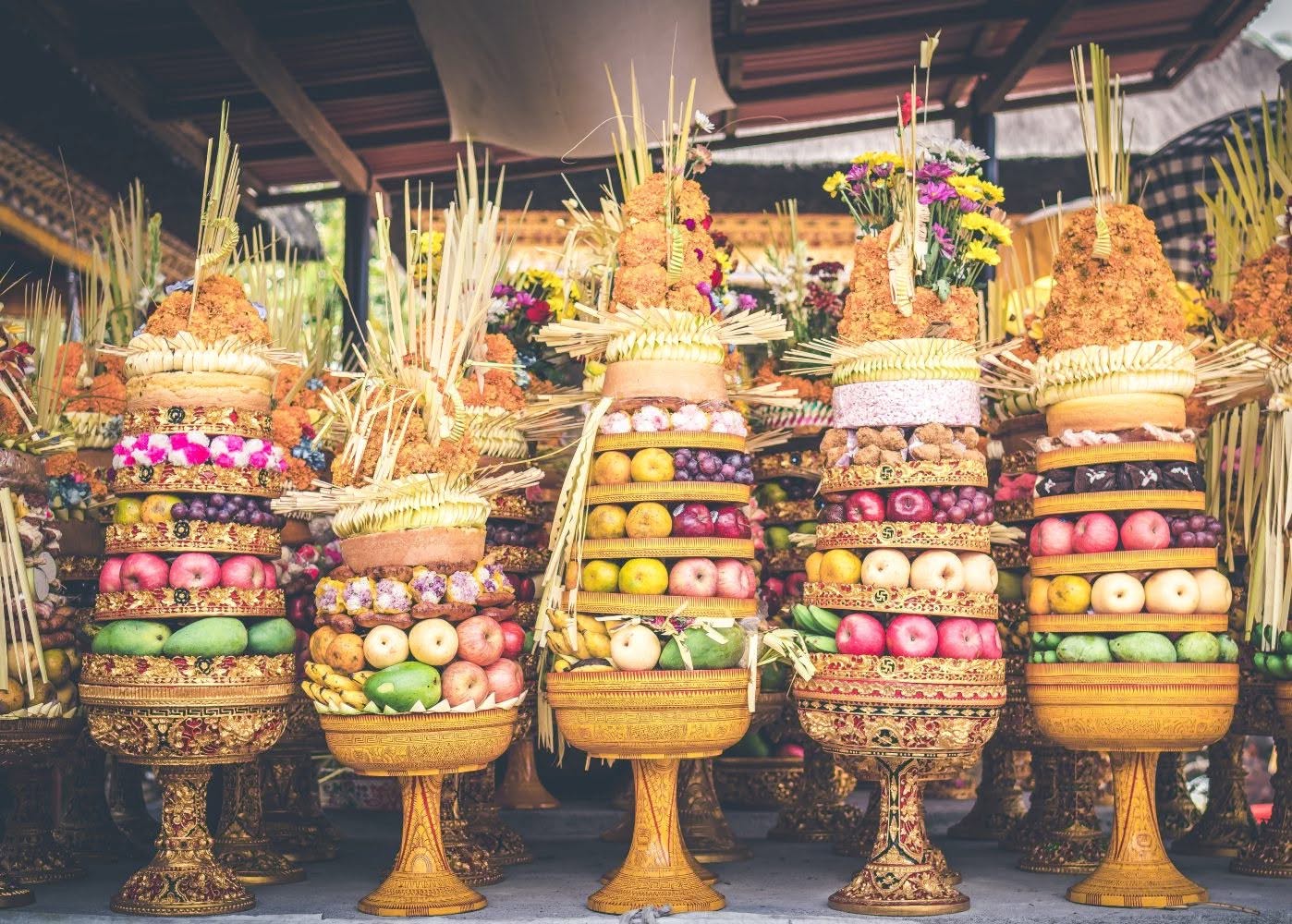
A Taste of Timelessness
When you leave a Bali’s traditional market, your hands might smell of turmeric, your bag filled with fruit, and your heart just a bit fuller.
In an age of convenience, where food often comes wrapped and ready, these markets remind us that flavor takes time, relationships, and respect. Every basket of vegetables, every bunch of herbs, every shared laugh between buyer and seller carries the island’s heartbeat.
So, next time you sit down to enjoy sate lilit or ayam betutu, remember that its story began long before the plate — in the soft dawn light of a bustling market, where Bali’s true flavor still begins each day.
Where the Soul of Bali Still Breathes
To the untrained eye, a Balinese traditional market might look like organized chaos — a swirl of colors, sounds, and smells that collide all at once. But to anyone who pauses long enough to look closer, it becomes something far more profound. It’s not merely a place where people trade goods; it’s where Bali trades stories, generations, and identity.
Every market stall tells a chapter of the island’s living narrative. There’s the spice seller who inherited her recipes from her grandmother, who once prepared offerings for the village temple. There’s the fisherman who still greets the sea before dawn, whispering a quiet prayer before casting his net. And there’s the young woman arranging marigolds for offerings, her hands moving with the same grace as her mother’s and her grandmother’s before her. Each one plays a role in preserving the delicate rhythm that makes Balinese life so deeply connected to its food and its faith.
Bali’s markets are more than bustling centers of commerce; they are living archives of flavor and tradition. Step inside one, and you can feel centuries of culture vibrating in the air. You can almost taste the island’s history — sweet, spicy, earthy, and bold.
For generations, these markets have sustained more than bodies; they have sustained spirits. They are the bridge between the island’s fertile soil and the soul of its people. Long before “farm-to-table” became a global trend, Balinese families had already mastered it instinctively. Their version of sustainability wasn’t a movement — it was simply a way of life.
A Journey Through Scent, Sound, and Story
From a our lens, Bali’s traditional markets are a sensory goldmine. Every sight and sound becomes part of a larger emotional narrative. There’s the rhythmic clatter of cleavers against wooden blocks, the laughter of women gossiping as they count change, and the soft rustle of banana leaves wrapping up today’s purchases.
Each detail tells a story that transcends tourism. It isn’t about buying a souvenir; it’s about stepping into the heartbeat of a culture that still believes in balance — between people, nature, and the divine.
For the traveler who yearns to see the “real Bali,” the journey begins here — not in luxury resorts or curated experiences, but in the markets where authenticity still speaks louder than perfection. This is where curiosity is rewarded. A simple “Apa ini?” (“What is this?”) opens doors to conversations that reveal wisdom passed down through generations.
Every market visit becomes an education in empathy and connection. You begin to understand that base genep — the foundational spice blend of Balinese cuisine — isn’t just a recipe. It’s a metaphor for life here: a harmony of opposites, where fiery chili meets soothing coconut, and complexity gives way to balance.
In a world rushing toward modern convenience, these markets remain defiantly human. They ask for patience, conversation, and presence. They remind visitors that food, at its best, is not a transaction — it’s a relationship.
The Heartbeat of a Community
To understand the true power of Bali’s traditional markets, one must look beyond the produce and into the patterns of human connection.
Markets here aren’t impersonal spaces filled with strangers. They’re microcosms of community, where everyone knows everyone else’s story. The vegetable seller knows which family just held a ceremony. The spice grinder knows whose child is getting married. Transactions come with smiles, shared laughter, and sometimes, advice about how to season a dish “the proper way.”
These seemingly small exchanges form the backbone of something larger: trust. And in Bali, trust isn’t just social — it’s sacred. The island’s spiritual philosophy, Tri Hita Karana, teaches harmony between people, the environment, and the divine. Nowhere is that philosophy more visible than in the market.
When a buyer pays a fair price to a farmer, when a vendor hands over a perfectly ripe mango with a grin — those are acts of harmony. They might look simple, but collectively, they sustain an entire ecosystem of culture and conscience.
In that sense, Bali’s traditional markets don’t just sell food — they nurture balance. They keep alive the idea that good food, good company, and good intention are inseparable.
An Invitation, Not a Transaction
Great story doesn’t sell experiences — it invites readers into them. And that’s exactly what Bali’s markets do every single morning.
They don’t advertise themselves with billboards or hashtags. They don’t need glossy campaigns. Their power lies in authenticity — the kind of authenticity that today’s travelers crave more than ever.
To walk through a Balinese market is to be gently persuaded, not by words, but by emotion. The aroma of freshly ground turmeric draws you in like a story waiting to be told. The glow of lanterns at dawn feels like a quiet promise that what you’ll find here can’t be replicated anywhere else.
There’s an effortless persuasion in how the island reveals itself through its markets — subtle, sincere, irresistible. Each smell, each smile, each flavor becomes a touchpoint in a larger narrative about belonging and connection.
And when visitors finally leave, they don’t just carry a bag of exotic fruits or spices. They carry a deeper sense of understanding — that Bali’s most valuable export isn’t its souvenirs, but its spirit.
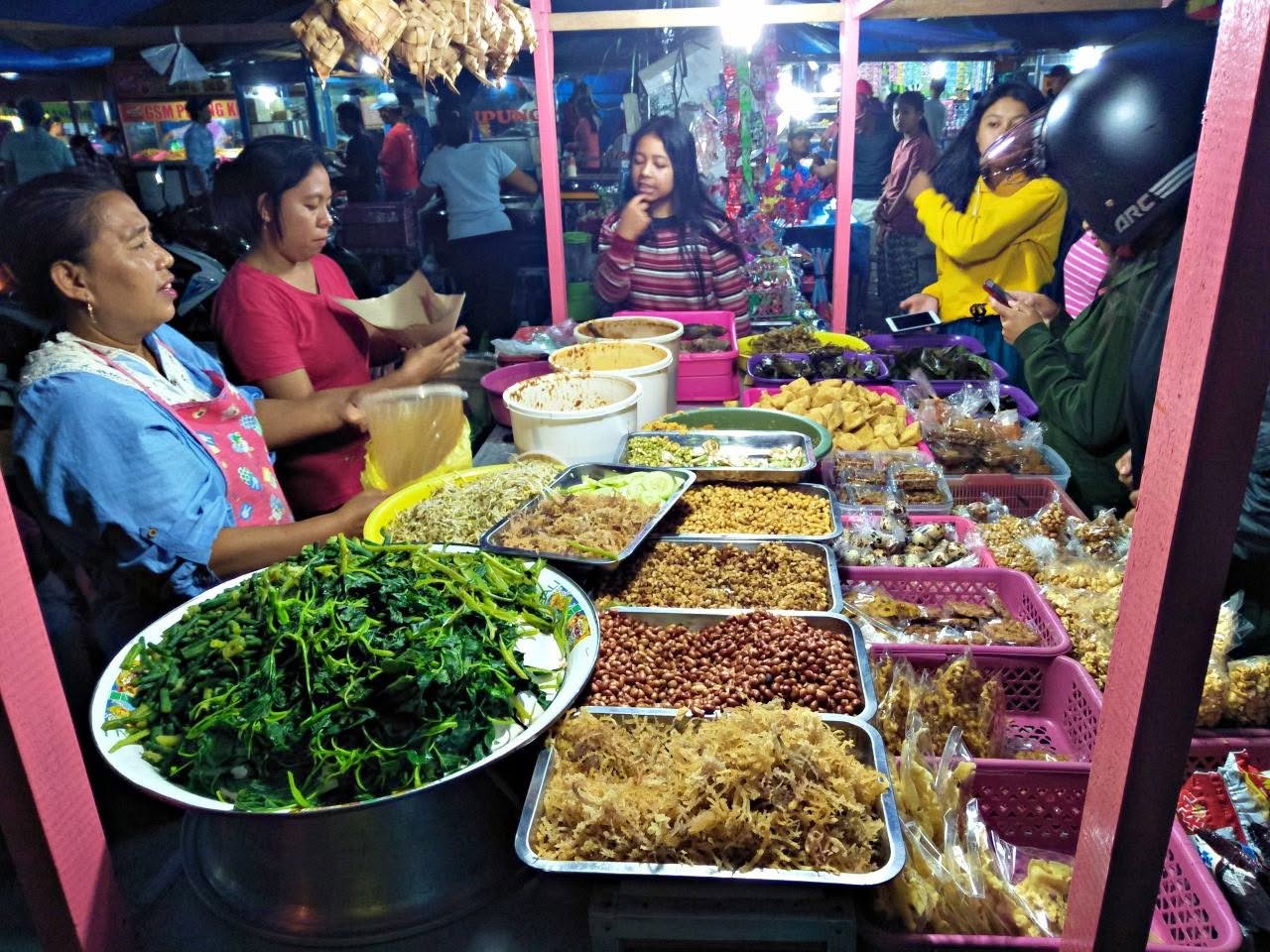
The Irreplaceable Pulse of Bali
As modernization and tourism continue to reshape the island, traditional markets stand as anchors of authenticity. They resist the homogenization that often comes with progress, preserving not just culinary traditions but a way of being.
To lose these markets would be to lose the heartbeat of Bali itself. Without them, the island would still have its beaches and temples — but it would lose the daily poetry of its people, the intimacy of its food culture, and the small, human moments that make Bali unforgettable.
Each market is an act of resilience. It proves that amidst global change, there’s still a place for the simple, the local, and the meaningful. They remind us that culture isn’t something displayed in a museum; it’s something lived, breathed, and shared every day.
For travelers, that realization can be transformative. When they wander through Pasar Badung at sunrise or sip coffee at a small stall in Pasar Ubud, they’re no longer spectators — they become participants in a living tradition.
That’s what makes these Bali’s traditional markets irreplaceable. They are not relics of the past; they are the beating heart of the present — pulsing with energy, laughter, and stories that never run out of meaning.
Beyond the Market Walls
Perhaps that’s the real magic of Bali’s traditional markets: their influence extends far beyond their physical boundaries. The experience lingers. It changes how visitors see food, people, and even travel itself.
After spending a morning in a Balinese market, travelers often find themselves looking at meals differently. Suddenly, every bite of sate lilit carries the memory of the woman who sold them lemongrass, the scent of herbs crushed at dawn, the rhythm of everyday life they were lucky enough to witness.
This emotional aftertaste is what great storytelling — and great marketing — is all about. It’s not about creating desire through hype; it’s about creating connection through truth.
And the truth about Bali’s markets is this: they don’t just feed the body. They feed the soul.
The Final Word
In the end, Bali’s traditional markets endure because they embody what every traveler secretly seeks — authenticity with heart. They are proof that the island’s most powerful stories aren’t found in luxury resorts or curated tours but in the laughter of vendors, the fragrance of fresh spices, and the quiet devotion behind every simple transaction.
To visit a Balinese market is to see an island that still knows who it is — proud, spiritual, and alive in every sense.
That’s why Bali’s traditional markets aren’t just important.
They’re irreplaceable — because they don’t merely represent the island’s past.
They protect its soul.