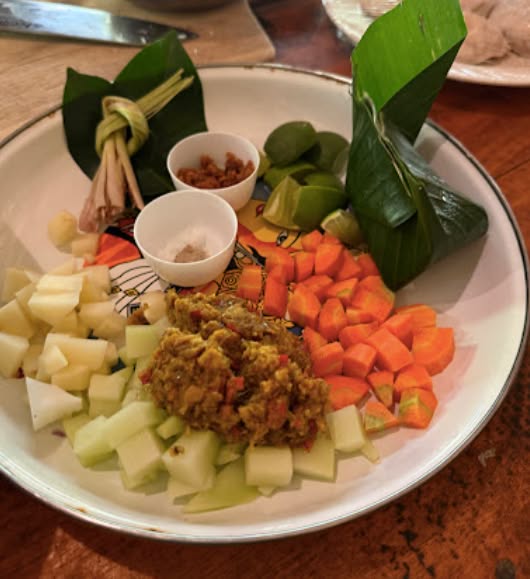
Stop right there. Forget the sunset photos and the trendy beach clubs for just a second.
If you’ve spent any real time away from the standard tourist bubble in Bali, you know the atmosphere is constructed around a very particular, powerful smell. It’s not the perfume of the tropics or the salt from the sea. It’s the sharp, aggressive, earthy fragrance of fresh spices being utterly destroyed. Turmeric, galangal, chili, and shallots—all exploding under the thwack of a stone mortar. That foundation, that raw, complex aroma? That is the soul of Balinese cooking.
For generations, the island’s spectacular food—powerful, rustic, and built entirely on instinct—was just part of the local air. It was a communal feast, a family meal, a ritual necessity. It was undeniably wonderful, but by the measure of the world’s most demanding critics, it was often overlooked.
That whole story has been rewritten.
A quiet, intense, and deeply personal revolution is now surging through the kitchens and the volcanic fields around Ubud and beyond. This movement is driven by a small, fiercely proud group of Balinese chefs who did the unthinkable: they left home, mastered the culinary world, and then chose to return.
They spent years in the pressure-cooker environments of London, New York, and Copenhagen. They learned the brutal science of flavor, the cold, hard discipline of a Michelin-level kitchen, and the fussy art of plating with tweezers. They became global experts.
Then, they realized the most vital food wasn’t perfected in Europe. It was the food of their childhood.
They came home with a single, uncompromising goal: to use every bit of their technical mastery to elevate the thousands of years of flavor already inherent in their own heritage. This isn’t a gentle “fusion”—that word is too lazy and cheap for this. This is modern Balinese cuisine, and it’s a sophisticated act of cultural defiance, proving that the taste of home can, in fact, be the most refined flavor in the world.
If you want the real story—the ethical connection, the authentic, complicated truth—this movement is the map to the new, confident heart of Bali.
The Iron Rule: Why Tradition Is the Chef’s Greatest Creative Challenge
The genuine genius behind this new culinary era doesn’t come from breaking the island’s rules. It comes from the opposite: the most revolutionary chefs are the ones who accept the toughest, most ancient constraints and then innovate ruthlessly within that framework.
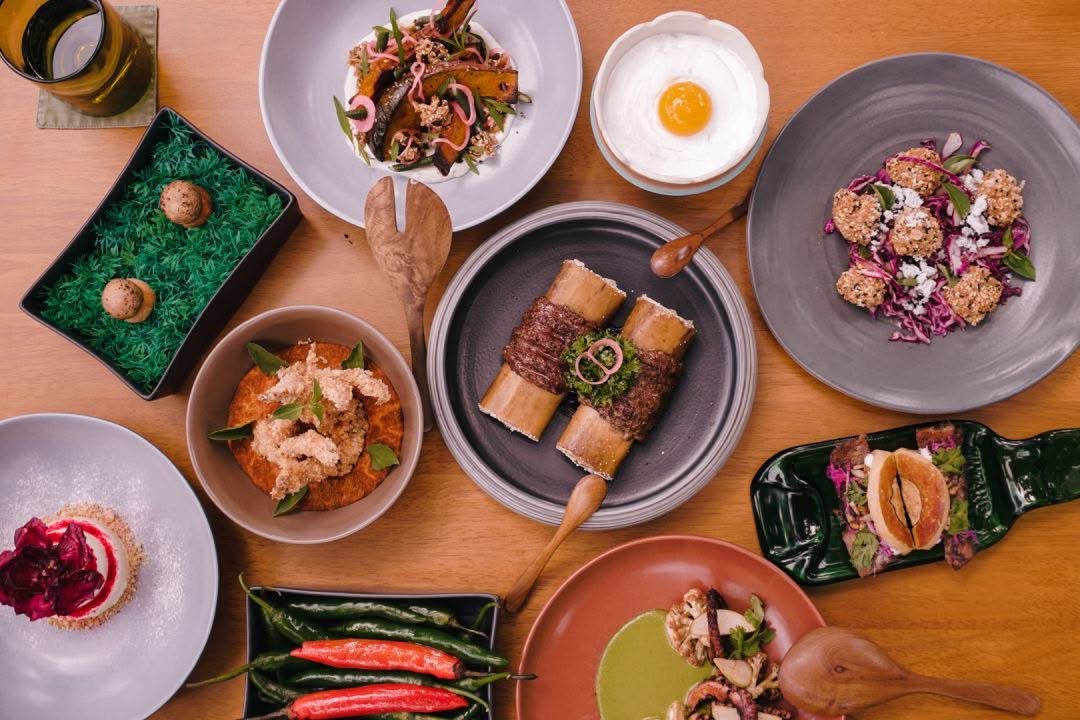
The Unbreakable Spice Code: Deconstructing Basa Genep
You simply cannot talk about Balinese cooking without putting Basa Genep at the center of the plate. This “Complete Spice” paste is the absolute, non-negotiable DNA of the savory kitchen—a vibrant, aggressive mix of over a dozen fresh aromatics: turmeric, galangal, ginger, chili, shallots, garlic, lemongrass, and the essential shrimp paste (terasi).
Historically, the spice is pounded coarsely in the heavy stone ulekan. It results in a singular, magnificent wall of earthy, rustic flavor that dominates the dish.
The modern chef, however, views that same ancestral paste as a complex orchestra waiting for a conductor. They see not one monolithic color, but a palette of potential.
- Surgical Separation: They intentionally separate the components to exploit their individual chemical strengths. They might cold-press the turmeric for a luminous, clean oil. They’ll ferment the shallots in local brine, developing a sharp, controlled acidity that cuts through richness. They slow-roast the galangal to draw out its specific, nutty sweetness.
- The Layered Effect: The final dish is still undeniably Basa Genep—it tastes like Bali. But now, it speaks with crystalline clarity. You get a bright, acidic spark first, followed by the deep, resonant earthiness, with the heat arriving as a controlled, precise wave. This technical discipline, applied to an ancient recipe, is the core intellectual achievement of modern Balinese cuisine.
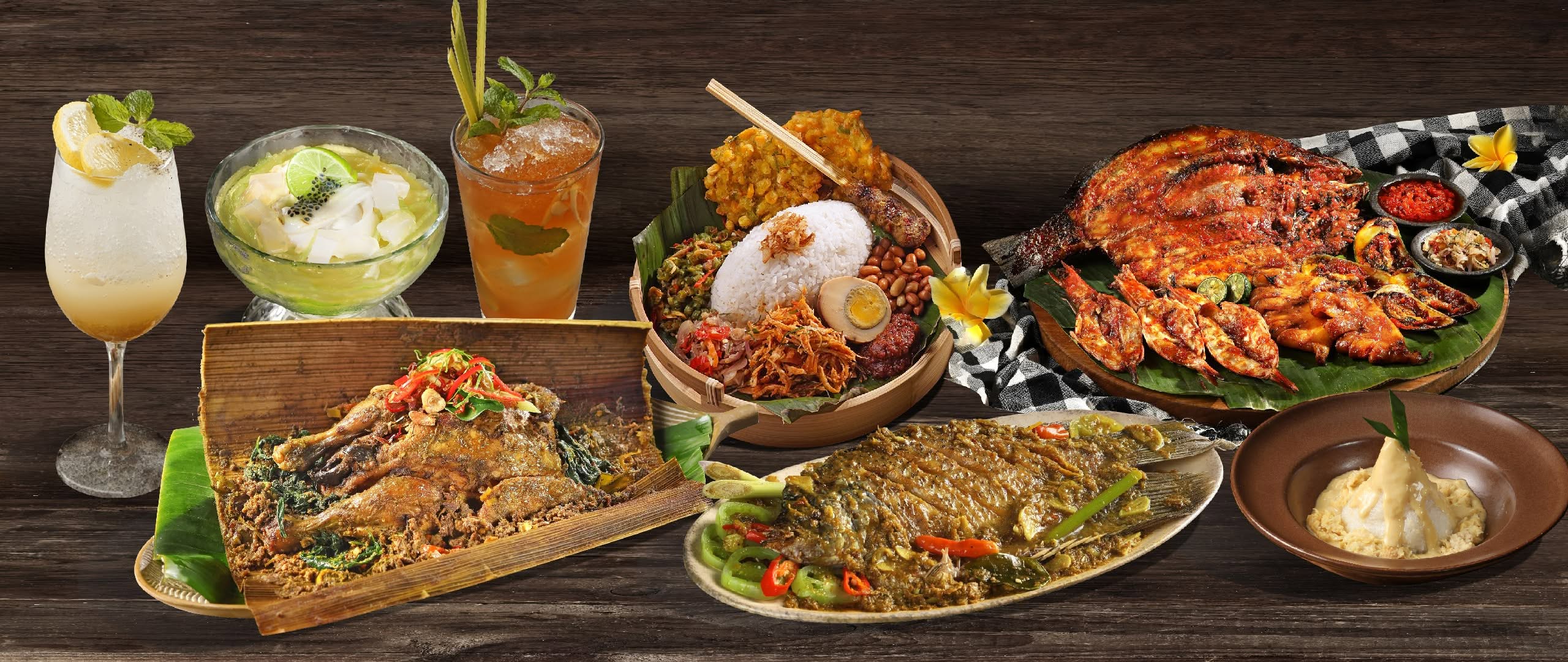
The Ethical Contract: Living and Cooking by Tri Hita Karana
More vital than the spices is the profound moral foundation of the food. Balinese culture is guided by Tri Hita Karana, the principle of harmony: with the divine, with community, and with the environment (Nature).
For the modern chef, this is not just an idea; it’s an ironclad ethical and operational mandate. You cannot cook great food if you disrespect the land that provides it.
This ancient law dictates modern kitchen practice:
- The Subak Connection: Chefs build direct, collaborative relationships with the local farmers who maintain the subak (the ancient irrigation system). They pay fair prices and commit to buying traditional, sustainable, organic crops, investing directly in the health of the soil.
- Waste as Insult: The kitchen must operate on a rigorous zero-waste ethic. Every fish bone is simmered into stock. Every vegetable trimming is dried for flavor powder or fermented. Citrus rinds are cured or infused into the local arak (rice spirit). Nothing the earth provides is discarded carelessly.
This commitment is something you genuinely taste. You are consuming a meal that is honest, traceable, and actively contributing to the health of the island’s environment.
The Human Architects: Chefs Who Traded Global Prestige for Home
This movement is powered by personal passion and a shared emotional journey—the chefs who found their greatest purpose back home.
The Technicians Who Mastered the Global Stage
This group represents the homecoming chefs. They spent years mastering the brutal precision that their culture’s cooking often lacked. They saw that world-class dining demands consistency.
- Discipline as a Vehicle: They came home and applied global discipline to local food. They use precise measurements and advanced equipment—not to dilute flavor—but to guarantee the flawless texture and perfect spice infusion that a rustic fire cannot promise.
- A New Status for Local Skills: Their success is a powerful form of cultural validation. By proving that Balinese techniques are worthy of world-class technical application, they send a loud, clear message to the next generation: your heritage is your greatest professional asset.
The Flavor Detectives: The Race to Save the Pantry
An equally important group of chefs acts as cultural historians. Their mission is to preserve the island’s biodiversity by actively seeking out flavors that are being lost to commercial farming.
- Heirloom over Efficiency: They reject easy, high-yield commercial crops. They partner with small farmers to cultivate heirloom varieties of rice (like the richly flavored red and black rice) and unique indigenous herbs and roots. They create a financial demand for these precious, difficult crops, ensuring their survival.
- Mastering the Slow Transformation: They champion deep fermentation and curing using ancestral methods. They create house-made artisanal tauco (soybean paste) and aged local vinegars. They know that the deepest, most complex umami flavors are the result of time and careful stewardship, not quick industrial shortcuts.
When a chef features a rare, heirloom ingredient on a high-end menu, they are literally signing a check to fund the continuation of sustainable, traditional farming. They are the guardians of the island’s edible legacy.
The Ultimate Test: Transforming Bali’s Signature Dishes
The true gauge of a chef’s skill in modern Balinese cuisine is how they handle the sacred, time-honored plates. They must honor the memory of the flavor while delivering something entirely new to the palate.
Babi Guling: The Pinpoint Precision of the Feast
The classic Babi Guling (suckling pig) is the King of the feast: smoky, rich, textural, and messy—a communal celebration.
The Modern Interpretation is a Masterclass in Control:
- Guaranteed Tenderness: The chef selects the highest-quality cut (often the pork belly) and precision-cooks it for 18–24 hours. This eliminates the uncertainty of the spit and guarantees an unparalleled, butter-soft tenderness and moisture level.
- The Perfect Fragility: The skin is separated, rendered flat, and fried into a wafer-thin, glass-like sheet. It delivers a clean, delicate crunch that provides the textural contrast without the heavy chew of the rustic skin.
- The Concentrated Essence: The Basa Genep stuffing is refined. It’s strained, clarified, and reduced to a rich, concentrated jus or smooth sauce. This essence is applied precisely, allowing the powerful notes of the spice to perfume the dish, rather than overwhelm it.
The final composition is a brilliant deconstruction—all the satisfying flavor of the original, delivered with sophisticated contrast and technical perfection.

Ayam Betutu: Infusion and Aromatic Control
Ayam or Bebek Betutu (slow-cooked chicken or duck) is a testament to patience, traditionally sealed in a banana leaf and cooked for eight hours in a fire pit to ensure deep spice infusion.
Using Technique to Honor the Time:
- Flawless Infusion: Modern thermal cooking is used to achieve perfect temperature control and moisture retention while the spices infuse. The chef uses science to guarantee the flawless, tender result that was once dependent on luck and massive experience.
- Aromatic Finish: The crucial smoky note is applied with intention. The perfectly tender meat is briefly smoked over fragrant local woods (like coconut husks) just before serving. This provides the ceremonial aroma cleanly, without any risk of bitter charring.
- The Bright Balance: The rich, dark meat is always balanced by a crisp, acidic counterpoint. The accompanying Lawar (a finely chopped vegetable salad) is elevated using rare, seasonal greens and sharp citrus dressings, preventing the Betutu from feeling heavy and ensuring the dish is complex yet refreshing.
The Map of Taste: Finding Your Style of Modern Balinese Cuisine
The physical location of a restaurant dictates the energy and narrative of the experience. The modern Balinese cuisine movement is beautifully expressed across the island’s varied geography.
Ubud: The Philosophical and Immersive Experience
In Ubud, the cultural and spiritual center, dining is a contemplative journey tied to nature and storytelling.
- The Vibe: Quiet, open-air, and deeply connected to the jungle and rice terraces. The atmosphere emphasizes reverence for the land and the ingredients.
- The Menu: Expect extended multi-course tasting menus. The food is narrative-driven, guiding the diner through a story—of the rice cycle, a mountain harvest, or local mythology.
- The Staff: They are cultural guides. They narrate the provenance of the ingredients and the cultural significance of the dish. You leave feeling educated and deeply satisfied.
Seminyak & Canggu: The Stylish, Global Interface
In the trendy, coastal zones, the style is high-energy, social, and built for a cosmopolitan crowd.
- The Vibe: Sleek, high-design spaces with a pulsing social atmosphere. The focus is on style, energy, and immediate visual appeal.
- The Menu: More à la carte, often featuring dishes designed for sharing and translating Balinese flavors into contemporary formats. Think gourmet seafood platters marinated in Basa Genep or house-made artisanal flatbreads with complex, smoked sauces.
- The Bar Program: A massive feature. Local arak (rice spirit) is infused with local herbs and spices, creating high-end, complex cocktails that prove Balinese ingredients belong in the world’s best mixology conversations.
The Most Crucial Ingredient: The Farmer and the Soil
The profound human integrity of modern Balinese cuisine comes from its commitment to the land and the people who work it.
The Ethical Contract: Investing in Agricultural Heritage
The best chefs in this movement view the local farmer as a partner and co-creator, not just a supplier. This partnership is the engine of sustainability.
- Valuing Every Harvest: Chefs commit to buying the entire yield of small, organic farms, including the “ugly” or irregular produce. They financially reward farmers for maintaining traditional, sustainable methods and for cultivating the heirloom crops that take more time but yield superior flavor.
- Traceability is Trust: When a menu lists the name of the farmer or the specific subak organization, it’s a statement of quality. This level of traceability—from the unique volcanic soil to the spice on your tongue—is what gives the food its incredible, honest, and truly local flavor.
Your Role: Go Hands-On with the Culture (The Taman Dukuh Ethos)
You cannot fully grasp this movement simply by dining. You need to connect with the source.
The most authentic experience is to skip the formal studio and go to a farm-based cooking school—a concept championed by places like Taman Dukuh Bali Farm Cooking School near Ubud.
- The Sensory Education: You get your hands dirty. You walk the paddies, you harvest the ginger and turmeric, and you use the heavy ulekan to pound the Basa Genep yourself. You feel the effort, you smell the raw, complex power of the herbs, and you understand the immense labor behind the perfect dish.
- The Cultural Realization: When you sit down to eat the meal you helped create, taught by a local expert whose family has stewarded that land for generations, the food becomes more than just delicious. It is a profound lesson in community, sustainability, and cultural continuity.
Your decision to seek out and support these ethical, source-driven experiences is the most powerful vote you can cast for the future of Balinese culture and its magnificent flavor profile.
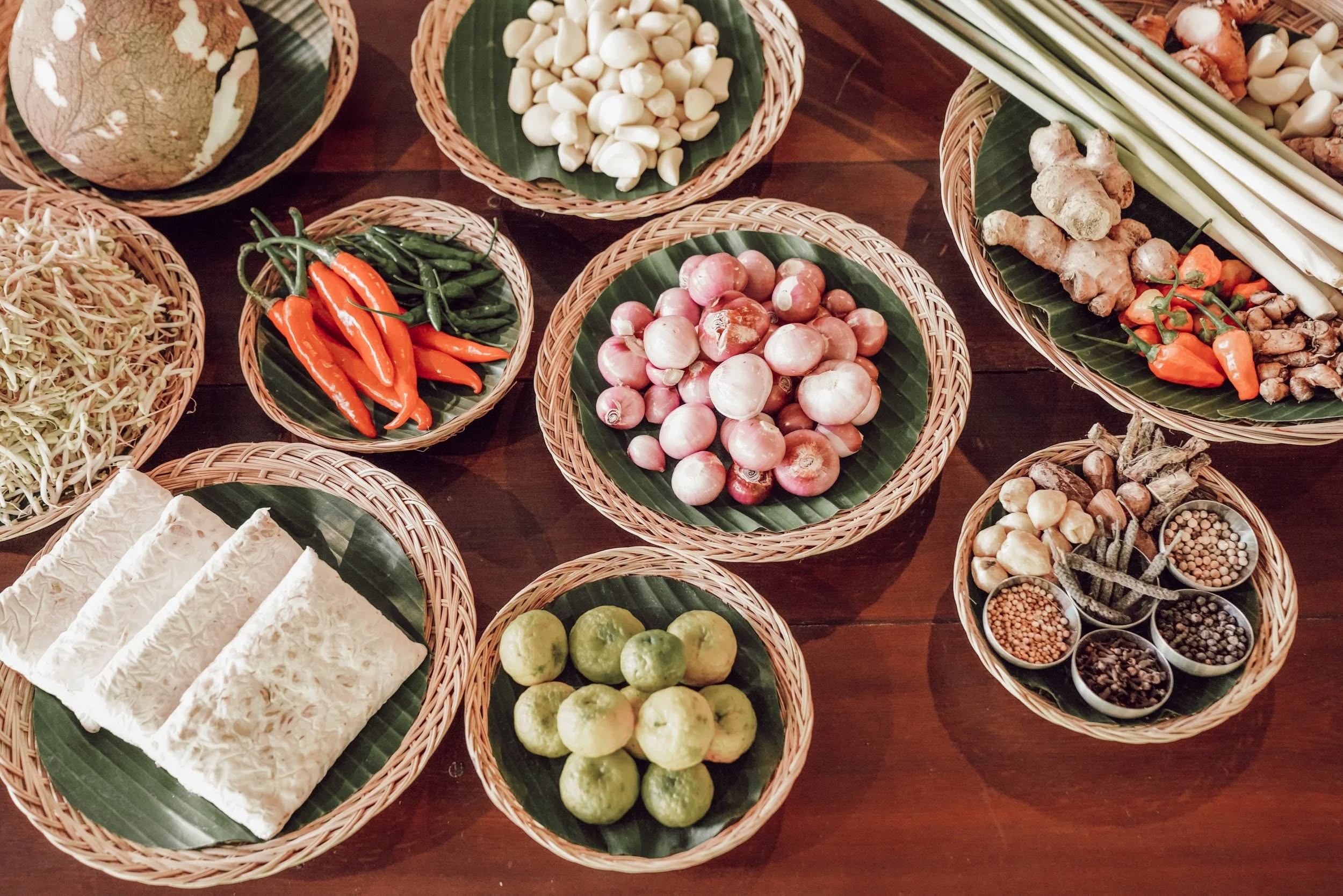
The Lasting Legacy: Why Bali’s Kitchen Story Matters
The modern Balinese cuisine movement is a monumental cultural success—a blueprint for how a culturally rich region can assert its identity on the global stage.
A New Global Voice for Indonesian Gastronomy
The movement has given Indonesian food—a massive, complex culinary culture spanning thousands of islands—a sophisticated, accessible voice. By proving that the nation’s profound flavors, particularly the fierce elegance of Basa Genep, can stand proudly against the world’s most refined cuisines, these chefs are cultural ambassadors, inviting the world to appreciate the sheer depth of Indonesian gastronomy.
The Triumph of Home
The most beautiful legacy is local pride. This movement ensures that the next generation of Balinese talent sees a thriving, prestigious career in perfecting their own heritage. The kitchen has become a sacred, ambitious space where tradition is not just maintained, but amplified.
This is a story built on passion, technical brilliance, and the profound, simple truth that the best food in the world is the food of your home, cooked with immense respect for the earth that provided it. It is a culinary journey that honors the past, perfects the present, and is essential for anyone who wants to truly taste the soul of the Island of the Gods.
Final Culinary Guide: How to Authentically Engage with Modern Balinese Cuisine
1. Go Farm-Direct First: The most interesting experience is a cooking class held on an organic farm, where you harvest and cook your ingredients. This immediate connection to the soil is the true starting point for understanding modern Balinese cuisine.
2. Look for the Spice Signatures: Judge the kitchen by its sambal presentation. If a chef offers a trio of refined, house-made sambals (e.g., fresh matah, smoked panggang, fermented terasi), it signals a dedication to the island’s foundational flavors.
3. Check for Heirloom Ingredients: Scan the menu for ingredients that are difficult to grow commercially: black or red heirloom rice, kecicang (torch ginger), or unique mountain herbs. These items prove the chef is investing in local biodiversity and supporting traditional farming.
4. Trace the Provenance: The gold standard in modern Balinese cuisine is traceability. The best menus will list the specific village or the farmer’s name that supplied the key protein or vegetable. This transparency is the truest marker of an ethical, human-centered kitchen.